Views: 0 Author: Site Editor Publish Time: 2026-06-17 Origin: Site
Many households wash their bath linens every week but rarely evaluate the entire towel set for structural and hygienic failure. You might pull a folded square from the closet and assume it works fine. However, microscopic fiber breakdown, hard water mineral buildup, and microbial retention silently degrade performance over time. This invisible degradation leads to poor absorbency, skin irritation, and persistent musty odors that survive standard laundering.
Understanding the true lifespan of a towel set for bathroom use requires looking past chronological age. We need to focus on wash cycles, material science, and daily wear and tear. By identifying the critical signs of fabric exhaustion, you can accurately determine when to retire old linens. This guide establishes a framework for evaluating your current inventory and selecting durable replacements based on your household's usage frequency and maintenance habits.
Standard Lifespan: Industry consensus dictates replacing a daily-use towel set every 2 to 3 years, with a maximum limit of 4 to 5 years for properly rotated or guest towels.
Component Variation: Not all items in a towel set wear out at the same rate; hand towels and washcloths require more frequent replacement than bath towels.
Failure Indicators: Persistent musty odors post-wash, surface scratchiness, and a noticeable drop in drying efficiency are primary indicators of fiber exhaustion.
Material Matters: Long-staple cottons (Turkish, Egyptian) offer a higher ROI and longer lifespan compared to synthetic blends or short-staple cottons.
Maintenance Impact: Eliminating fabric softeners and optimizing wash temperatures can extend the functional life of bath linen by up to 30%.
A towel's age in years matters less than its wash-cycle lifespan. A standard cotton towel begins to lose structural integrity after approximately 100 to 150 wash cycles. The friction from washing machines and the thermal stress from dryers slowly break down the cotton fibers. Every time you run a load, the mechanical agitation snaps microscopic filaments. Over months of repeated washing, this reduces the towel's ability to hold moisture. You will notice the fabric becoming thinner and less capable of drying your skin efficiently.
We track linen lifespans by the number of times they hit the laundry room. If you wash a specific towel twice a week, it hits that 100-cycle threshold in less than a year. High-quality construction delays this breakdown, but no natural fiber withstands infinite mechanical stress. The physical limits of cotton dictate that eventual replacement is unavoidable.
The mathematical reality of towel rotation heavily influences replacement timelines. A household rotating three towel sets per person will generally see a 5-year lifespan for those linens. You give the fibers time to rest and fully dry between uses and washes. Conversely, a single daily-use set subjected to constant washing and drying will degrade in under 2 years. The lack of rotation means the fabric never fully recovers its loft, and the constant exposure to water and heat accelerates fiber snapping.
Implementing a strict rotation schedule is the easiest way to protect your investment. When you buy a new set, buy enough to ensure each piece spends at least a week resting in the linen closet between active duty cycles. This simple logistical adjustment drastically alters the degradation curve.
Regular washing eventually fails to remove all accumulated dead skin cells, body oils, and detergent residue. This soap scum builds up within the terry loops, necessitating replacement regardless of visual appearance. Even if the fabric looks fine, embedded organic matter compromises the hygiene of the towel. You are essentially rubbing a microscopic layer of old oils and minerals back onto your clean skin after a shower.
Hot water and heavy-duty detergents can only do so much. Over time, the core of the cotton fibers becomes saturated with insoluble compounds. This is why older towels feel heavier and stiffer than new ones, even straight out of the dryer. The hygiene factor alone dictates that you should cycle out old inventory before it physically falls apart.
Washcloths have the shortest lifespan within any set. Constant contact with facial oils, makeup, skin-cleansing chemicals, and daily scrubbing accelerates physical fiber friction. You drag them across rough skin, expose them to harsh acne treatments, and wring them out tightly. This intense usage promotes rapid bacterial colonization and physical tearing, requiring replacement every 6 to 12 months.
Because they stay wet longer and handle the heaviest soil loads, washcloths degrade rapidly. You will often see the edges fraying or the center becoming threadbare long before the larger towels show any wear. Keep a separate stack of utility washcloths for heavy makeup removal to spare your primary matching sets.
Hand towels are washed and used multiple times daily by multiple household members and guests. This high-frequency usage leads to rapid degradation of the terry loops and a quicker loss of softness compared to larger towels. They hang in damp environments, constantly absorbing water from freshly washed hands, and rarely get the chance to dry completely during active household hours.
The constant dampness makes them prime real estate for mildew. You will likely need to replace hand towels twice as often as the bath sheets in the same matching set. Buying extra hand towels when purchasing a new set ensures you maintain a cohesive look even after the first batch wears out.
The primary components of a towel set benefit from more distributed usage across their larger surface area. However, they suffer from significant moisture retention, which stresses the fibers over time. Expect a standard lifespan of 2 to 3 years for daily-use bath towels. They handle the bulk of the water absorption after a shower, meaning they carry heavy water weight while hanging on the rack.
Gravity pulls on the wet fibers, stretching them slightly. Over years of use, this stretching, combined with the thermal shock of the dryer, causes the towel to lose its shape and plushness. Monitor the center of the towel, as this area usually thins out first from being rubbed across the back and shoulders.
Consumer forums frequently debate washing frequency. While washing towels after every 3 to 4 uses is optimal for hygiene, washing them after every single use accelerates mechanical wear in washing machines. The constant agitation breaks down fibers prematurely. You strip away the natural softness of the cotton and subject the hems to unnecessary friction against the washing machine drum.
If you wash a towel daily, you will destroy it within a year. The seams will burst, and the terry loops will pull out. Finding the balance between sanitary practices and textile preservation requires tracking how many times a towel has been used, rather than just throwing it in the hamper out of habit.
Leaving damp towels unwashed for more than a week allows mildew and bacteria to feed on organic residues. This neglect permanently rots the cotton fibers and forces early disposal, drastically shortening the lifespan of your bath linen. Mildew does not just sit on the surface; it digests the cellulose in the cotton.
Once mildew takes hold deep within the weave, the structural integrity of the towel is compromised. Even if you manage to bleach the smell away, the fibers remain weakened and will tear easily under normal use. Never leave wet towels sitting in a pile on the floor or bunched up in a laundry basket.
Bacteria and mildew embed in micro-abrasions within the cotton fibers, surviving standard wash cycles. This creates a persistent "sour" or musty odor that returns immediately after the towel gets damp. If you pull a clean towel from the closet, dry your face, and immediately smell a damp basement odor, the towel is dead. The microbial load has permanently bonded with the fabric.
When a towel pushes water around the body rather than absorbing it, the terry loops have flattened. This smear effect is often exacerbated by the buildup of silicone from fabric softeners coating the fibers. The cotton can no longer pull moisture into its core. You spend more time rubbing your skin, which causes irritation, rather than actually drying off.
Hard water minerals like calcium and magnesium bind to cotton fibers over time. This mineral buildup turns previously soft loops into stiff, abrasive textures that can irritate sensitive skin. If your towel feels like light sandpaper, the fibers are calcified. While stripping can help temporarily, heavily calcified towels eventually become too brittle to salvage.
Physical failure points include unravelling hems, bald spots in the terry weave, and edge fraying. Structural failure compromises the towel's ability to withstand future laundering without disintegrating. Once the binding on the edge gives way, the entire towel will quickly unravel in the washing machine, leaving massive amounts of lint and strings on your other clothes.
Aesthetic degradation often signals structural weakness. Bleach spots from skincare products containing benzoyl peroxide and the irreversible graying of white towels indicate the fabric has reached the end of its functional life. When the dye bonds break down, the underlying fibers are usually degrading as well. Patchy, discolored towels make a bathroom look unkempt and should be rotated out of primary use.
Fabric softeners and dryer sheets coat fibers in hydrophobic waxes. This chemical layer repels water, destroying the towel's absorbency and trapping odors within the fabric. You might think you are making the towels softer, but you are actually waterproofing them. This wax buildup requires harsh stripping to remove, which further damages the cotton.
Harsh detergents with optical brighteners also weaken natural fibers over time. Stick to mild, liquid detergents and avoid pouring them directly onto the dry fabric. Always let the washing machine fill with water and mix the detergent before adding the linens to prevent chemical burns on the cotton.
High-heat drying literally bakes and snaps cotton fibers. This thermal stress leads to excessive linting in the dryer trap and rapid thinning of the towel body. When you pull a load of towels out of the dryer and the lint screen is overflowing, you are looking at the physical destruction of your linens.
Always dry towels on a medium or low heat setting. It takes slightly longer, but it preserves the elasticity and loft of the cotton loops. Remove them from the dryer while they have a tiny hint of moisture left, and let them air dry the rest of the way to prevent over-baking.
Poor bathroom ventilation prevents complete drying between uses. Chronic dampness accelerates mildew growth and fiber rot, destroying towels long before mechanical wear takes its toll. If your bathroom mirror stays fogged up for an hour after a shower, your towels are suffocating in humidity.
Install a stronger exhaust fan or leave the bathroom door open after showering. Ensure towels are spread out flat on a bar rather than bunched up on a single hook. Proper airflow is the most critical environmental factor in extending linen lifespan.
Egyptian cotton offers maximum absorbency but slower drying times, making it a luxurious choice for well-ventilated bathrooms. Turkish cotton provides an optimal balance of absorbency and quick-drying properties, ideal for humid climates or busy households. Synthetic microfiber options suit gym or travel use but have a shorter lifespan and tend to retain odors compared to natural cotton.
When selecting materials, consider your local climate and bathroom setup. Heavy Egyptian cotton will sour quickly in a damp, poorly ventilated apartment. Turkish cotton's longer fibers provide excellent durability without the excessive moisture retention, making it the most versatile choice for standard residential use.
Understanding GSM helps you match the towel to its intended use. Higher GSM means a denser, heavier towel, but heavier does not always mean better for your specific situation.
GSM Range | Characteristics | Best Use Case |
|---|---|---|
300 - 400 GSM | Lightweight, fast-drying, thinner feel. | Gym bags, guest bathrooms, highly humid climates. |
400 - 600 GSM | Medium weight, balanced absorbency and drying time. | Everyday household use, standard master bathrooms. |
600 - 900+ GSM | Heavy, luxurious, highly absorbent, slow drying. | Luxury setups, well-ventilated spaces, heated towel racks. |
The traditional Terry weave maximizes surface area for absorption, creating a plush feel. The loops stand up from the base fabric, pulling water in quickly. Waffle weave provides an exfoliating texture, rapid drying capabilities, and high durability, making it excellent for damp environments. Waffle weaves lack the plushness of terry but outlast them in high-friction scenarios.
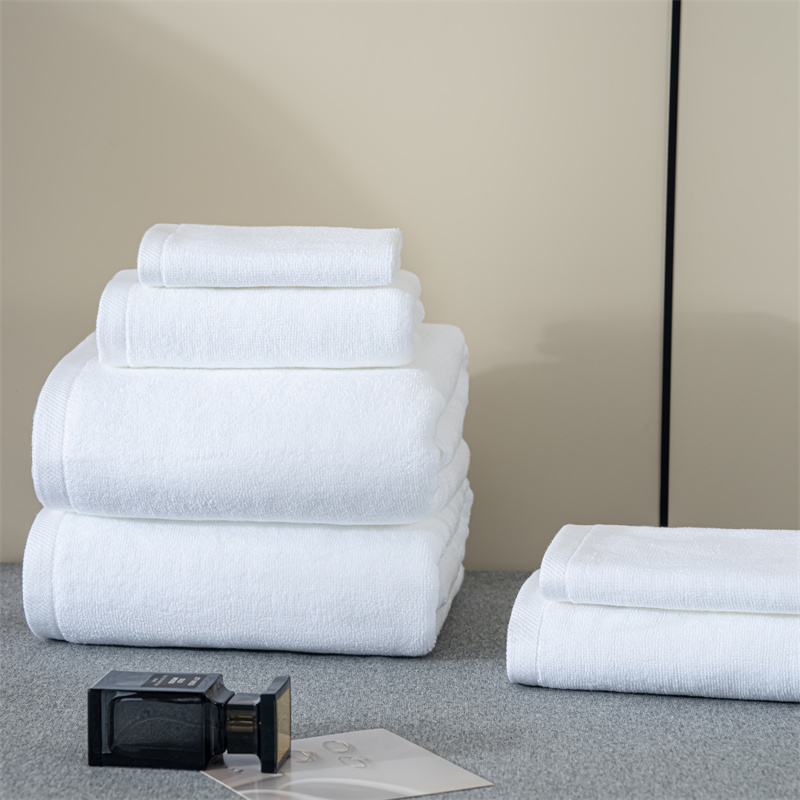
Hospitality industries rely on cheap white classic hotel towels bath hand towels for strategic reasons. These 100% cotton, medium-GSM white towels can be heavily bleached, washed at high temperatures for sanitation, and replaced cost-effectively without color-fading concerns. If you run a busy household with kids and pets, adopting the hotel model saves money and frustration.
White towels show dirt immediately, ensuring they get washed when needed, and they never suffer from the patchy fading that ruins colored sets. You can sanitize them aggressively without worrying about ruining the aesthetic.
A towel set for men often leans toward oversized bath sheets for full coverage and heavier GSM for robust drying friction. Larger frames require more surface area to dry efficiently without saturating the fabric halfway through the process. Bath sheets typically measure 35 by 60 inches or larger.
Conversely, a towel set for women often prioritizes lightweight, highly absorbent hair-wrapping towels, gentler textures for sensitive skin, and standard bath towel dimensions that are easier to maneuver. Heavy bath sheets can be cumbersome to wrap around wet hair, pulling on the neck. Mixing sizes within a household ensures everyone has the right tool for the job.
Throwing away textile waste presents environmental and cost concerns. Identify towels that are too degraded for the body but perfect for secondary utility use to maximize their lifecycle. A towel that feels scratchy on your face works perfectly fine for drying off a muddy dog or wiping down patio furniture.
Establish a clear visual system for demoted towels. Cut the tags off or snip a corner so family members know which towels belong in the utility bin and which belong in the bathroom. This prevents old, scratchy towels from migrating back into the primary rotation.
First Tier (Years 1-3): Primary bathroom usage. These are your best, softest towels reserved for daily showers and face washing.
Second Tier (Years 3-5): Gym, pool, beach, or guest room rotation. They have lost some loft but still function well for occasional use.
Third Tier (Year 5+): Demoted to cleaning rags, car detailing, or pet towels. Cut them into smaller squares for easier handling.
End of Life: Donating to local animal shelters or dropping off at dedicated textile recycling facilities. Never throw cotton textiles in the standard household trash.
Strip towels periodically using white vinegar and baking soda to dissolve mineral and detergent buildup. Wash them first with a cup of white vinegar and hot water, skipping the detergent entirely. Then, run a second cycle with a half-cup of baking soda and hot water. This chemical reaction breaks down the calcified minerals and strips away the waxy residue left by softeners.
Perform this stripping routine every three to four months. You will notice an immediate improvement in absorbency and a return of the original fluffy texture. It also neutralizes any lingering musty odors trapped deep in the weave.
Wash towels in warm water using mild liquid detergents. Hot water causes premature fading and fiber stress, while cold water fails to remove heavy body oils. Utilize wool dryer balls instead of chemical softeners to maintain absorbency and fluff the fibers naturally. The physical impact of the wool balls bouncing in the dryer softens the cotton without leaving a chemical coating.
Hang towels flat on a bar rather than bunched on a hook. This ensures adequate airflow, preventing mildew growth and extending the fabric's functional life. If you must use hooks, ensure the towel is draped as widely as possible. Never fold a towel and put it in the linen closet if it feels even slightly damp to the touch.
Audit your linen closet today and remove any towels exhibiting persistent odors, severe fraying, or the smear effect.
Calculate your household's wash frequency to determine if you need to purchase additional sets to establish a proper rotation schedule.
Select replacement towels based on GSM and material that match your bathroom's ventilation capabilities and your personal drying preferences.
Implement a strict demotion workflow to repurpose old textiles for cleaning or pet care, keeping them out of landfills.
A: Wash bath towels after every 3 to 4 uses. Ensure they dry completely on a towel bar between uses to prevent bacterial growth and mildew. Washing more frequently accelerates mechanical wear, while washing less frequently promotes unhygienic microbial buildup.
A: Musty odors result from bacteria and mildew trapped deep within the cotton fibers. This is often exacerbated by detergent buildup or waxy fabric softeners that trap moisture. Stripping the towels with hot water, vinegar, and baking soda removes this residue and kills the odor-causing bacteria.
A: Yes. Fabric softeners coat cotton fibers in hydrophobic waxes. This chemical layer significantly reduces the towel's absorbency, causing it to push water around rather than drying your skin. It also traps odors and dirt within the fabric over time.
A: A GSM between 400 and 600 offers the best balance of durability, absorbency, and reasonable drying time for daily use. Towels in this range are thick enough to feel substantial but light enough to dry completely between showers in a standard bathroom.
A: Always wash new towels before use. Manufacturers coat new linens in chemical finishes to make them look fluffy and bright on the store shelf. Washing removes these coatings, loose lint, and excess dye, unlocking the cotton's natural absorbency.