Views: 0 Author: Site Editor Publish Time: 2026-07-29 Origin: Site
High-end bath textiles require a specific maintenance protocol. Treating premium long-staple cotton or pure linen like standard laundry accelerates fiber degradation. It ruins absorbency and destroys the plush feel you expect from quality materials. Consumers frequently invest in luxury textiles only to experience premature wear. They deal with rough textures and musty odors caused by improper washing temperatures. Harsh chemical agents and poor storage environments further compound the damage, turning premium fabrics into stiff, unusable rags. This guide provides a technical, evidence-based framework for laundering, drying, and storing premium bath textiles. You will learn how to maximize their lifespan and maintain their structural integrity. We will show you how to ensure a high return on your textile investment through proper daily care, precise temperature control, and seasonal storage strategies that actually work in real-world conditions.
Avoid Fabric Softeners: Silicone-based softeners coat natural fibers, permanently reducing the absorbency of premium bath linens.
Temperature Control is Critical: Washing in lukewarm or warm water (30°C–40°C) followed by a cold rinse cycle prevents the shrinking and brittleness associated with high-heat laundering.
Frequency and Hygiene: Rotate and launder bath towels every 3 to 4 days, while washcloths require daily or every-other-day rotation to prevent bacterial buildup.
Post-Use Hanging is Non-Negotiable: Spreading towels flat between uses prevents moisture retention and mildew formation before the next wash.
Storage Dictates Longevity: Storing linens in highly humid environments without proper airflow invites mildew; climate-controlled, organized, uncrowded linen closets are mandatory.
Standard short-staple cotton differs vastly from premium long-staple cotton. Pure linen and cotton-linen blends possess unique anatomical structures. Long-staple fibers feature fewer exposed ends. This creates a smoother, stronger yarn that resists tearing. Standard laundry practices often utilize high agitation and extreme heat. These harsh conditions cause micro-abrasions along the fiber shaft. Such damage leads directly to pilling, thinning, and eventual fiber breakage. Proper care for bath linen requires a different approach. Success means maintaining structural integrity over hundreds of washes. You must preserve colorfastness while maximizing moisture-wicking capabilities. Gentle handling prevents the premature breakdown of these delicate natural materials.
Fiber Type | Characteristics | Vulnerability to Poor Washing |
|---|---|---|
Short-Staple Cotton | Multiple exposed ends, rougher texture | High pilling, rapid thinning under high heat |
Long-Staple Cotton | Smooth continuous yarn, high absorbency | Micro-abrasions from heavy agitation |
Pure Linen | High tensile strength, rigid structure | Irreversible creasing and fiber snapping if over-dried |
Water quality plays a massive role in fabric longevity. Hard water contains high levels of calcium and magnesium. These minerals bind directly to natural fibers during the wash cycle. Over time, this mineral buildup causes luxury fabrics to feel stiff. Your towels will become scratchy and lose their natural drape. You can mitigate this damage effectively. Install a water softening system if your local water is exceptionally hard. Alternatively, adjust your detergent quantities based on local water hardness levels. Liquid water softeners added to the wash drum can also neutralize these harsh minerals. This prevents them from embedding into the textile weaves.
Establish strict color-sorting rules before starting the machine. Divide linens into three clear categories. Separate pure whites, light-colored pastels, and dark or bright colors. This prevents dye transfer and keeps whites from looking dull. You must also separate your premium Towel Set from heavy garments. Keep towels away from items with zippers, hooks, or velcro. These hardware pieces cause severe mechanical damage during the wash cycle. Load capacity requires careful attention as well. Overstuffing the drum prevents proper rinsing. It leaves detergent residue trapped deep within the fibers. Fill the drum only halfway to allow adequate water circulation.
Sort all textiles by color: whites, pastels, and darks.
Isolate towels from garments containing metal hardware.
Check drum capacity, ensuring it is no more than 50% full.
Select the appropriate gentle cycle before adding detergent.
Temperature control dictates the survival of natural fibers. Cold water fails to remove heavy body oils. Hot water damages fibers and causes severe shrinkage. Lukewarm or warm water around 30°C to 40°C is the industry standard. It balances hygiene requirements with fiber preservation. A cold rinse protocol is equally necessary. A cold rinse cycle after a warm wash helps contract the fibers. It flushes out remaining laundering agents effectively. This temperature drop maintains the fabric's natural elasticity. Select your washing machine cycles carefully. Use the gentle or delicate cycle for luxury textiles. This minimizes rotational stress on heavy, wet fabrics during the spin phase.
The chemical makeup of your detergent matters immensely. Choose pH-neutral, liquid formulas for the best results. Avoid powders that may not dissolve fully in warm water. Ensure your detergent is free of optical brighteners and chlorine bleach. Synthetic fragrances often mask poor cleaning performance. Avoid them entirely. Fabric softeners and dryer sheets destroy natural fibers. They coat the textile in silicone, ruining its hydro-affinity. This makes towels repel water instead of absorbing it. Use white vinegar in the rinse cycle instead. Vinegar strips residual detergent and naturally softens the fibers without leaving a chemical film.
Keep a strict wash-to-use ratio to maintain freshness. You should wash bath towels after three to four uses. This prevents bacterial growth without over-washing the fabric. New towels require a specific break-in period. Wash them before the first use to remove manufacturing residues. These initial washes dictate long-term performance and maximum absorbency. Washcloths demand a much higher frequency of care. They make direct contact with dead skin cells. Prolonged dampness turns them into an immediate breeding ground for germs. Launder washcloths after every single use or every other use at most.
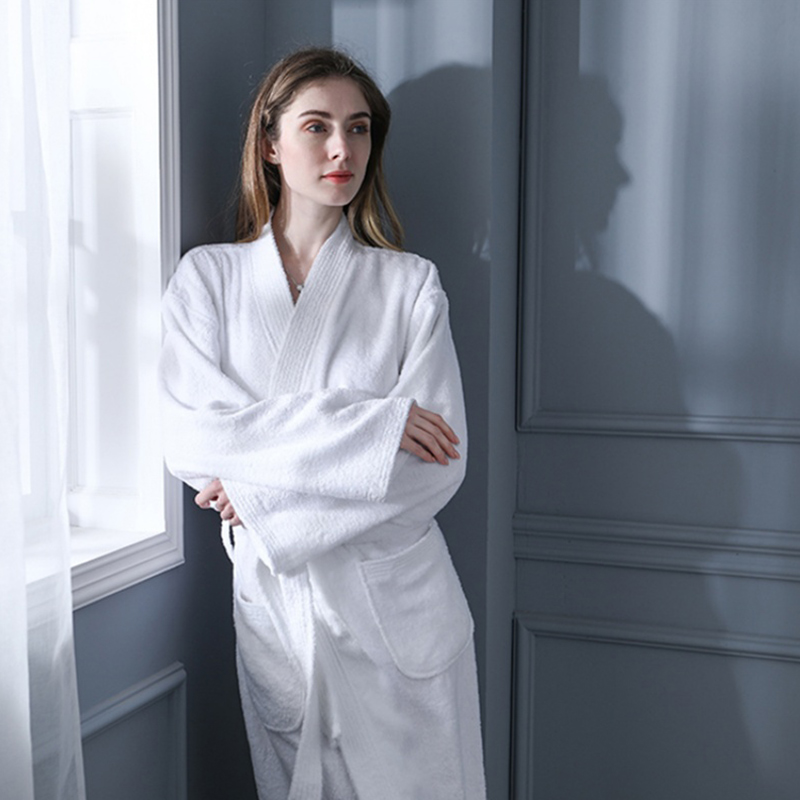
Heavy, dense robes present specific gravity and weight challenges. A wet Plush 100% Cotton Mid-High-End Hotel Bathrobe becomes extremely heavy in the drum. This weight can stretch the fabric during high-speed spins. Protect the collars, cuffs, and tie-belts carefully. Place the tie-belt in a mesh laundry bag to prevent tangling. Use a lower spin speed to prevent warping or fraying. Adjust your care based on the specific weave style. Waffle-weave robes require gentler handling than standard terry cloth. Managing a diverse Bathrobe Collection means sorting by weight and fabric type before washing.
Bath mats endure higher soil levels, dust, and heavy foot traffic. They require different care than standard body towels. Wash cotton bath mats separately to prevent transferring floor dirt to your face towels. You face a trade-off when sanitizing these heavy items. Hotter water provides better sanitation against floor bacteria. However, high heat degrades non-slip backings and dense weaves quickly. Use warm water and a heavy-duty cycle instead. Add a laundry sanitizer to the rinse cycle to kill bacteria without relying on destructive boiling temperatures.
Daily hanging habits directly affect bacterial growth. Leaving a damp towel crumpled on the floor guarantees mildew. Spread towels flat over a wide towel bar after every use. This method is far superior to hanging them by a single loop. Hooks cause the fabric to bunch up, trapping moisture inside the folds. Proper airflow between washes preserves the integrity of the fibers. It keeps towels smelling fresh and extends the time between required washes. Ensure your bathroom has adequate ventilation to speed up this daily drying process.
Machine drying restores fluffiness but applies significant heat stress. Air drying preserves fibers but often results in a stiffer texture. A hybrid approach offers the best of both worlds. Air dry your textiles on a drying rack until they are mostly dry. Then, transfer them to the dryer for a short cycle. Use a low-heat tumble dry setting. Add wool dryer balls to the drum. These balls agitate the fabric gently. They soften the fibers naturally without the use of chemical dryer sheets.
High heat causes irreversible shrinkage in pure linen and cotton. Never use the highest heat setting on your dryer. Keep temperatures below 60°C to protect the structural integrity of blended fibers. Over-drying bakes the fibers, causing severe brittleness and breakage. Remove linens from the dryer while they are still slightly damp. Aim for approximately five percent moisture retention. Smooth them out by hand and let them air dry completely before storing. This technique prevents over-baking and keeps the edges from curling.
Ambient humidity is the primary risk factor in bathroom storage. Storing textiles in a steamy bathroom invites mold spores. Utilize slatted shelving to promote continuous air circulation. Solid shelves trap moisture underneath the bottom towels. Place silica gel packets in the corners of your linen closet. Activated charcoal bags also work exceptionally well. They absorb excess moisture and neutralize musty odors naturally. Keep the closet door slightly open occasionally to refresh the trapped air.
Standard folding works well for deep shelves. Rolling techniques save space and work better for narrow storage areas. Fold towels to expose the neatest edges outward. This creates a clean, uniform look in your closet. Avoid pressing down hard on folded towels. Deep, permanent creases weaken the fabric over time. Rotate your stock regularly. Place newly washed items at the bottom of the stack. This ensures even wear across your entire inventory.
Organize storage zones to ensure optimal, unhindered airflow. Group items by size and function. Keep extra linens and heavy blankets on the highest shelves. Do not over-stuff the shelves. Tightly packed textiles cannot breathe, leading to stale odors. Analyze your linen accumulation habits. Avoid over-purchasing unnecessary items. Keeping a streamlined inventory reduces storage-related wear and tear. A minimalist approach ensures every piece receives proper care and adequate breathing room.
Out-of-season items require specific long-term storage protocols. Wash and dry heavy winter robes completely before packing them away. Any residual body oils will attract pests over the summer months. Use breathable cotton storage bags for long-term protection. Avoid airtight plastic bins entirely. Plastic traps residual moisture and causes severe yellowing of white fabrics. Store these seasonal bags in a cool, dark, and dry location away from direct sunlight.
Proper maintenance of expensive bath linen is a non-negotiable requirement to justify the initial financial investment. Adherence to strict temperature, chemical, and storage protocols directly correlates to product lifespan. When evaluating new luxury linens, factor in your household's ability to maintain these care standards. Implement the following steps immediately to protect your textiles.
Audit your current laundry supplies and immediately throw away all silicone-based fabric softeners and dryer sheets.
Assess your linen closet shelving and replace solid boards with slatted designs to improve airflow.
Purchase wool dryer balls to naturally soften your textiles during the low-heat drying cycle.
Install a wide towel bar in your bathroom to ensure towels can dry completely flat between uses.
A: You should wash high-end bath towels every three to four days. This frequency prevents bacterial buildup while protecting the natural fibers from excessive mechanical wear in the washing machine.
A: Washcloths require laundering after every one to two uses. They collect dead skin cells and remain damp longer, making them a rapid breeding ground for bacteria and mold.
A: No, you should avoid chlorine bleach entirely. Bleach weakens natural fibers and causes premature tearing. Use an oxygen-based brightener or baking soda to maintain crisp white fabrics safely.
A: Lukewarm or warm water between 30°C and 40°C is ideal. This temperature effectively removes body oils and dirt without causing the severe shrinkage associated with hot water washing.
A: Air drying lacks the mechanical agitation of a tumble dryer, causing fibers to dry in a rigid state. Tossing them in the dryer on low heat for ten minutes softens them.
A: Wash the robe in warm water with one cup of white vinegar and no detergent. Follow this with a second wash using a gentle detergent to strip away mildew and residue.